Why “We’ll Figure It Out” Is Not a Sustainable System in Senior Living
In many communities, daily operations rely on quick thinking and adaptability. While that flexibility is valuable, relying on it too often creates inconsistency. This is where senior living workflow systems become essential.
Without clear systems, teams default to “we’ll figure it out.” Over time, that approach leads to inefficiencies, communication gaps, and increased pressure on staff.
Why Senior Living Workflow Systems Matter More Than Ever
Strong senior living workflow systems provide structure in environments where priorities constantly shift. They ensure that tasks are completed consistently, communication is clear, and responsibilities are understood across all roles.
When systems are missing or unclear:
- Staff rely on memory instead of process
- Tasks are duplicated or missed
- Communication varies between shifts
These gaps may seem small, but over time they affect both staff performance and resident care.
The Hidden Cost of “We’ll Figure It Out”
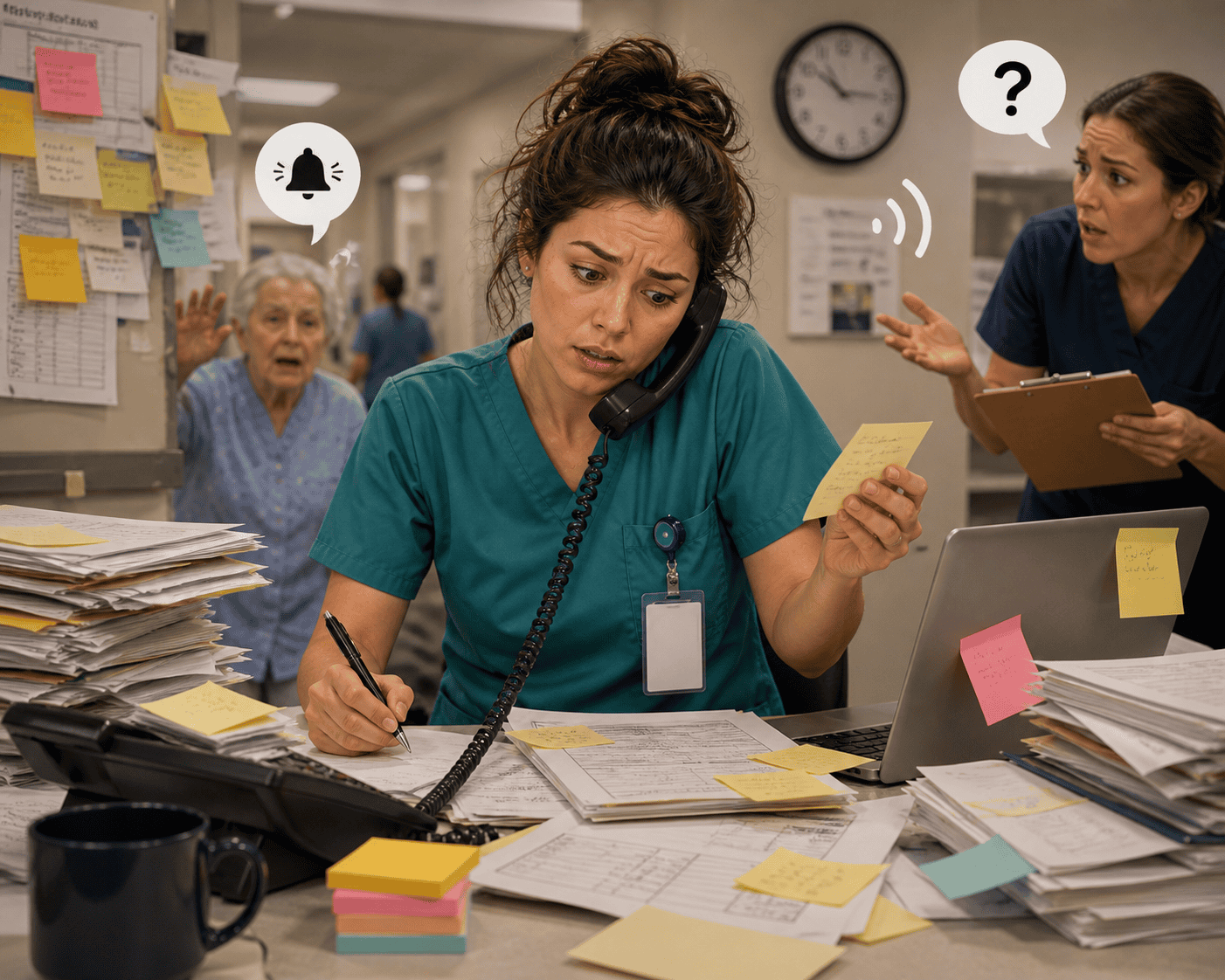
At first, “we’ll figure it out” feels efficient. Teams step in, solve problems, and keep moving forward.
But without defined senior living workflow systems, this approach becomes reactive rather than reliable.
Common outcomes include:
- Delayed documentation
- Unclear task ownership
- Increased interruptions throughout the day
Instead of supporting efficiency, the lack of structure creates more work in the long run.
How Workflow Gaps Contribute to Burnout
One of the biggest challenges in senior living today is staff burnout—and unclear processes play a major role.
When senior living workflow systems are not in place:
- Staff spend more time deciding what to do next
- Urgency becomes constant, even for routine tasks
- Team members feel unsupported during high-demand moments
This creates a cycle where staff are always reacting, which increases stress and reduces long-term retention.
Impact on Care Quality and Compliance
Consistency is critical in senior living, especially when it comes to documentation, communication, and regulatory expectations.
Effective senior living workflow systems help ensure:
- Accurate and timely documentation
- Clear communication between team members
- Reliable follow-through on resident needs
Without these systems, communities face higher risks during surveys, audits, and daily operations.
What Effective Senior Living Workflow Systems Look Like
Strong systems don’t have to be complicated. The most effective senior living workflow systems are simple, repeatable, and easy for teams to follow.
They typically include:
- Clear documentation standards
- Defined communication processes
- Structured delegation guidelines
- Consistent follow-up procedures
These elements reduce uncertainty and allow staff to focus on delivering quality care.
Moving From Reactive to Structured Operations
Improving senior living workflow systems starts with identifying where breakdowns occur.
Ask questions like:
- Where do delays happen most often?
- Which tasks depend on individual memory?
- When do staff feel the most overwhelmed?
From there, small improvements can be introduced to create more consistency and support across the team.
Conclusion: Building Systems That Support Staff and Care
Senior living teams are incredibly adaptable—but adaptability alone is not a system.
By strengthening senior living workflow systems, communities can reduce burnout, improve efficiency, and create a more stable environment for both staff and residents.
At VeriCore Consulting Group, we partner with senior living communities to identify workflow gaps, strengthen clinical processes, and create systems that are both practical and sustainable.
Our support includes:
- Clinical workflow assessments to identify inefficiencies
- Documentation and compliance guidance to support survey readiness
- Process improvement strategies tailored to your team’s daily operations
- Virtual clinical support, including nurse triage and remote auditing, to reduce after-hours pressure
These solutions are designed to help teams move away from reactive processes and toward more consistent, reliable operations.
Because improving senior living workflow systems isn’t just about efficiency—it’s about supporting staff, improving care quality, and building long-term stability.